- Spotted on iNaturalist: How community science observations contributed to Missinaibi River’s upcoming 10-year monitoring report
- Glimmers of Hope: The 2026 ORCBC Endangered Rivers List highlights positive developments and lingering concerns
- When Rivers Freeze: Chasing Ice Around Canadian Heritage Rivers
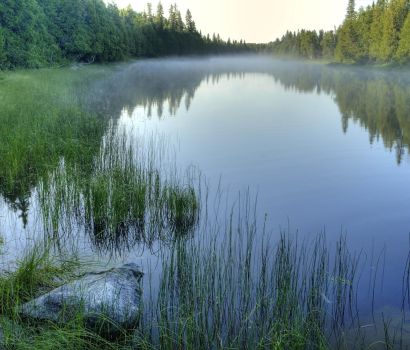
Spotted on iNaturalist: How community science observations contributed to Missinaibi River’s upcoming 10-year monitoring report
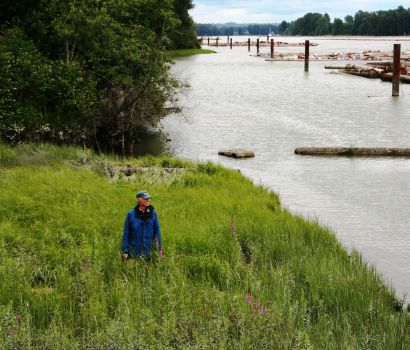
Glimmers of Hope: The 2026 ORCBC Endangered Rivers List highlights positive developments and lingering concerns
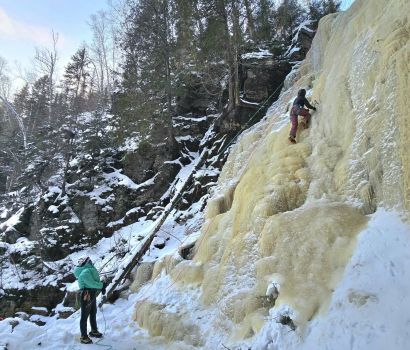
When Rivers Freeze: Chasing Ice Around Canadian Heritage Rivers
Date
For many people, Canadian Heritage Rivers are summer places: canoe routes, fishing holes, swimming spots, and picnic pullouts. But for me—and for a surprising number of Canadians—they become something entirely different in winter. They turn into corridors of quiet, frozen cathedrals, and, in a few special places, gateways to some of the most remarkable ice climbing terrain in the world.
Date
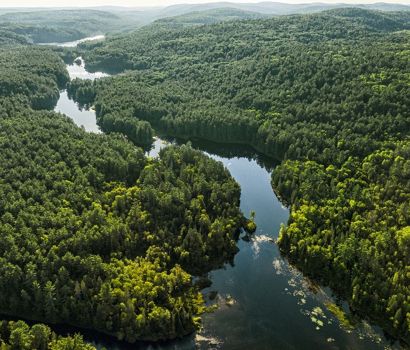
At five hundred and one kilometres in length, Missinaibi River’s size and location – entirely within Missinaibi Provincial Park, in a remote and rugged corner of Northeastern Ontario – presented a challenge for its river steward, Ontario Parks: How do you collect new life science information for the river with limited staff and resources? The community science app, iNaturalist, can help with that!
Date
Climate change is the Cowichan River’s biggest threat. Warmer, drier summers have led to increasingly low flows, dangerously warm-water temperatures, and fish kills — including the loss of an estimated 85,000 juvenile steelhead during a 2023 drought. But there’s optimism on the horizon.
Date
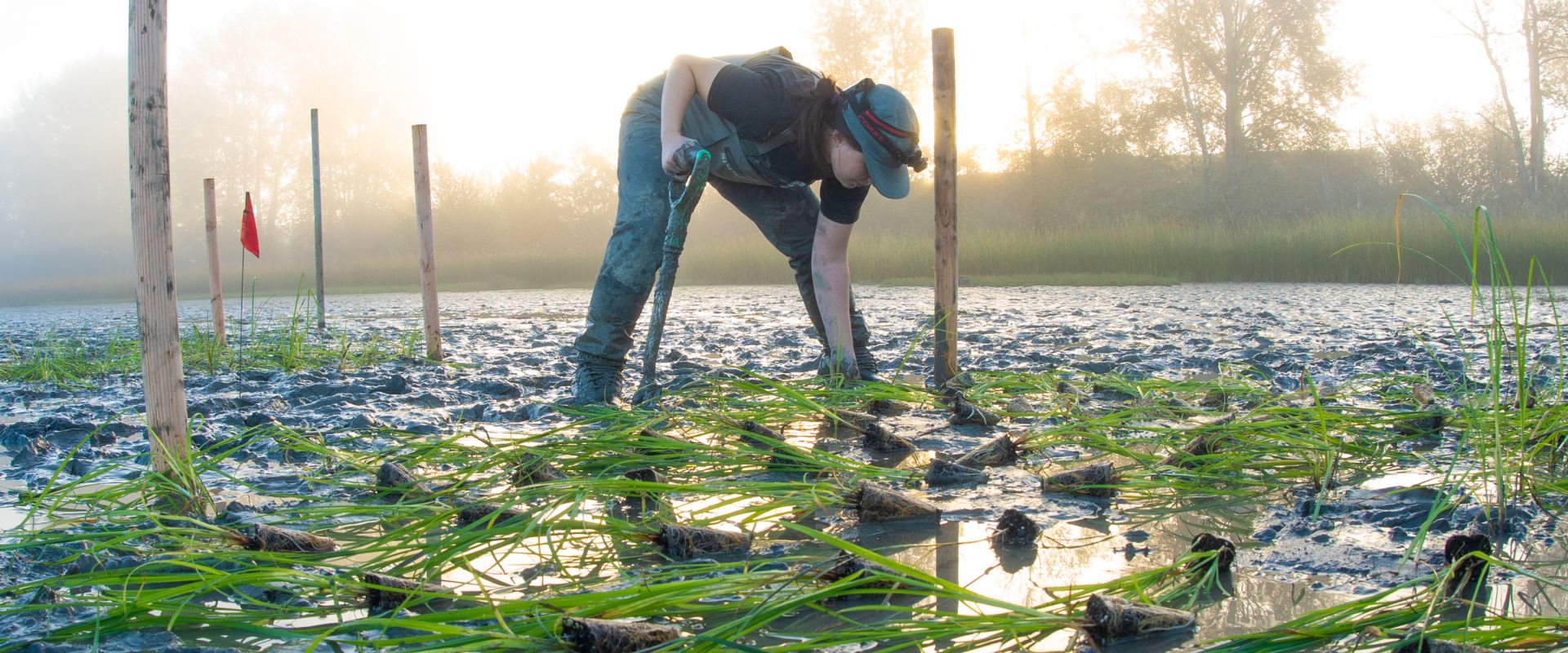
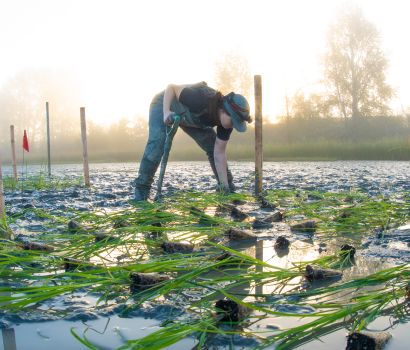
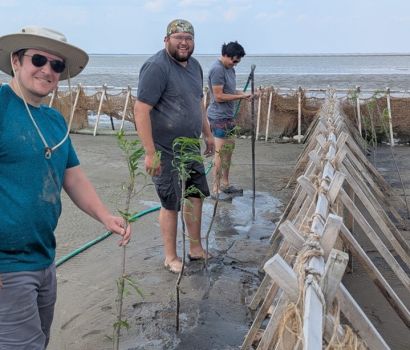
Netley-Libau Marsh is the largest freshwater coastal wetland in North America and forms an expansive delta where the Red River meets Lake Winnipeg. Over the last century, Netley-Libau Marsh has lost more than 10,000 acres of vegetation, reducing habitat quality and ecological functions in this critical wetland ecosystem. The Netley-Libau Marsh Restoration Project is an interdisciplinary partnership among many different organizations working towards a shared goal. The first step in restoring ecological functions in Netley-Libau Marsh is to reverse the loss of vegetation that has occurred over the last century.
Date
The Canadian Heritage Rivers System, in partnership with the Canadian Canoe Museum, is proud to announce Elder Sheila De Corte as the recipient of the 2025 Canadian River Heritage Award.
Date
Toronto and Region Conservation Authority (TRCA) Youth Council brings together young people from across TRCA’s jurisdiction - from Mississauga to Ajax and north to Mono – to unite youth who are passionate and committed to building healthy communities through improved connection to greenspace and nature, and to inspire empowered and engaged youth.
Date
East Grand Lake, situated on the Canada–U.S. border within the St. Croix River basin, is renowned for its large, self-sustaining population of togue (lake trout) and lake whitefish. The lake supports a high-quality recreational fishery, despite remaining relatively understudied, as its international nature complicates coordinated research and long-term monitoring.
Date
The Margaree River in Nova Scotia to this day remains the bustling and lively place that earned it its Canadian Heritage River status in the first place. While aspects of climate change are impacting the river each year, notably with issues of drought in summer and flood conditions in spring and fall, the river’s stewardship by local organizations is significant. These numerous groups showcase the history of the region, promote recreation, and engage in river improvement activities.
Date
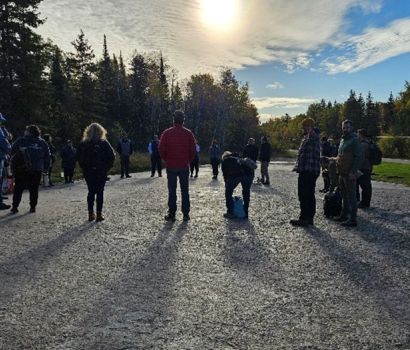
From October 6–10, 2025, the Canadian Parks Council (CPC) and Canadian Heritage Rivers System (CHRS) came together for Congress 2025 at the Wilderness Edge Retreat & Conference Centre in Pinawa, Manitoba. This year’s Congress was co-hosted by Nunavut Parks and Manitoba Parks, showcasing a powerful example of interjurisdictional collaboration and cultural exchange.
We extend our heartfelt thanks to the Nunavut Parks team, who traveled great distances to lead, host, and enrich the Congress with their knowledge, warmth, and cultural traditions. Their contributions were central to the success of this year’s gathering.
Date
Rivers and their associated floodplains and wetlands are both natural and cultural landscapes. The ecological health of river corridors is important to human cultures and land-uses and have been for millennia. Used by Indigenous peoples as trading routes, sources of food, and transportation pathways, river valleys have strong cultural meaning. They were significant to the settlers and hold strong connections for many cultures across the planet. They continue to be vital to the livelihoods of millions of people today.
Date
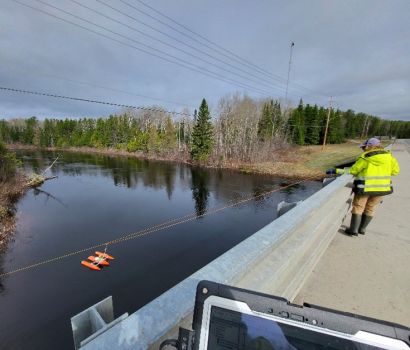
Environment and Climate Change Canada’s National Hydrological Service is responsible for measuring and monitoring the volumetric flow rate, or ‘discharge’, and water level, or ‘stage’, of rivers and lakes across the country. Together with funding partners including provinces, territories, and local conservation authorities, we operate thousands of hydrometric stations throughout Canada. These hydrometric stations provide critical data used by scientists, engineers, policy makers, and communities alike.
Date
Waterways have long been central to Canadian history, recreation and livelihoods. Canada’s extensive network of waterways including tens of thousands of ponds, rivers, lakes, and canals continue to shape the wellbeing of Canadian residents, as they have done for centuries.
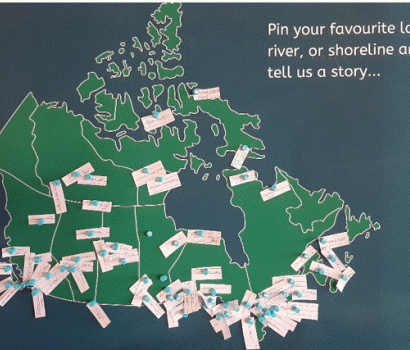
At the Canadian Heritage Rivers System’s Annual General Meeting, CHRS participants and CPC Board members, designates and Leadership Residency participants participated in an exercise to share their favourite waterway by marking it on a large map of Canada and explaining why it was special to them. The result was a great diversity of rivers and lakes identified across the country. While many of the waterbodies identified are not part of the Canadian Heritage Rivers System, the exercise highlighted how important water is to the lives of people living in Canada.
Date
The idea of a national day dedicated to rivers was inspired by the success of BC Rivers Day, which had been celebrated for over two decades in British Columbia. Among the groups advocating for this annual celebration was the Canadian Heritage Rivers Board. The concept received unanimous endorsement at the 2001 Canadian Rivers Heritage Conference, setting the stage for the official proclamation the following year.
The CHRS's mission aligns perfectly with the goals of Canadian Rivers Day. By designating rivers or river segments as heritage rivers, the CHRS helps to raise awareness about the significance of these waterways and celebrates the efforts of the people who care for them.
Date
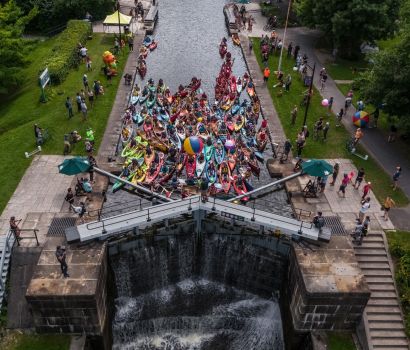
Paddle, play, and protect — join communities across the country as we celebrate rivers!
Date
This winter, the Canadian Heritage Rivers System piloted a community of practice call, river stewards in Ontario to share their experiences, successes, and challenges. This provided a valuable platform for river stewards to discuss their rivers, fostering a sense of community and collaboration.
Date
Canadian Heritage Rivers are teeming with life. From the vibrant schools of brook trout in the Missinaibi River to the Atlantic salmon navigating the Restigouche, these ecosystems are vital for many species. Despite their crucial role, these rivers are increasingly threatened by various environmental challenges and human activities. Among these issues, protecting species at risk stands out as a priority.
Date
The historic Mattawa River offers stunning views of towering granite cliffs and sweeping, windswept pines along its shores. This summer you can experience the Mattawa River as many before us have, by canoe, on the Discover the Mattawa River: Big Canoe Tour at Samuel de Champlain Provincial Park.
Date
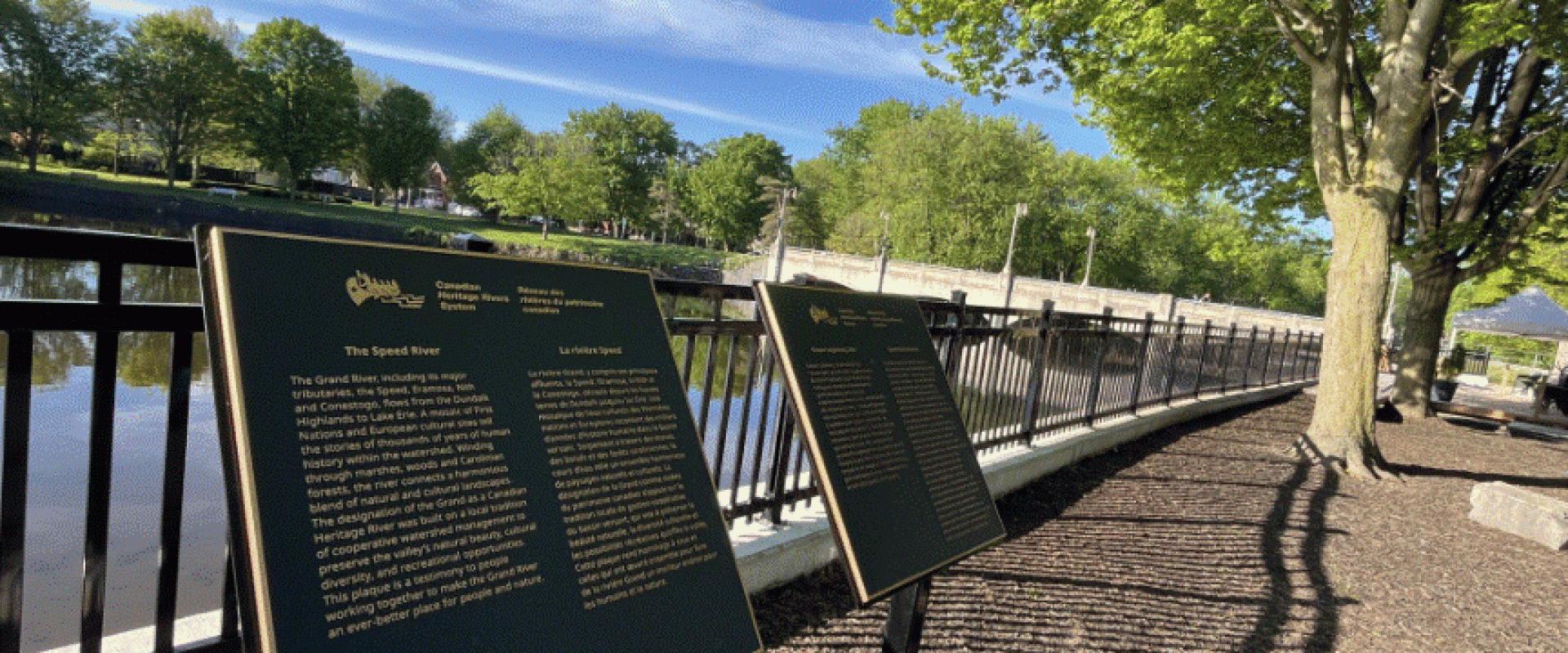
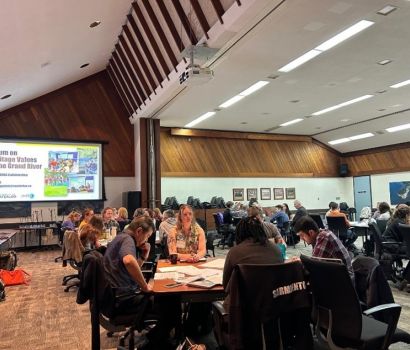
Last year marked the 30th anniversary of the Grand River’s designation as a Heritage River with celebrations ranging from a community play to cycling tours. The highlights also included bringing together knowledge and diverse stakeholders to understand how the heritage values of the Grand River are changing and to support the 10-year monitoring report on the river’s heritage status.
Date
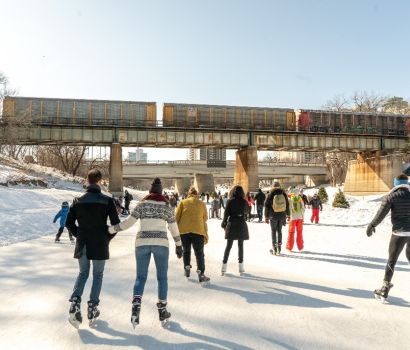
As the boats are pulled from its waters, a thick layer of ice forms on the Red River, allowing for the creation of the Nestaweya River Trail. This trail is skillfully flooded and plowed with warming huts deployed, transforming the Red River into a winter pathway. Winding along the Red River and joining with the Assiniboine River, this trail brings together outdoor enthusiasts to enjoy a walk, skate, run, hockey game or a curling match.
Date
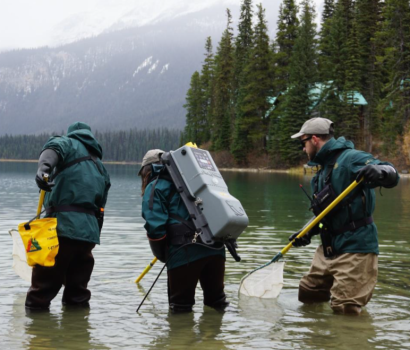
Whirling disease is a growing concern for aquatic ecosystems, affecting fish populations and challenging conservation efforts in waterways throughout western Canada. Caused by a parasite native to Europe, it affects fish in the salmonid family, including trout, whitefish and salmon. After generations of co-evolution with certain trout species in Europe, the parasite had no noticeable impact on populations. However, it was unintentionally introduced to new regions around the world where fish had never been exposed.
Date
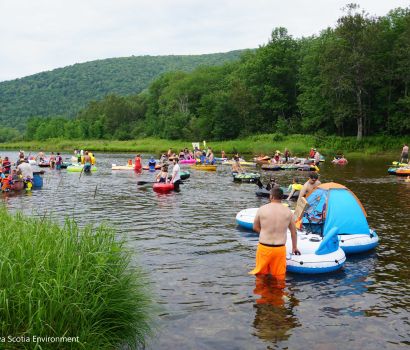
Canadian Heritage Rivers offer a variety of recreational activities that attract numerous visitors, often year-round. From white-water paddling to guided snowmobile tours, these sites offer something for everyone. However, the increasing popularity of these activities on the rivers presents numerous challenges. Sustainable recreation solutions are needed to ensure these natural wonders are preserved for future generations.
Date
This year marks the 40th anniversary of the Canadian Heritage River System (CHRS)! Established in 1984, the CHRS has played a crucial role in stewarding and promoting Canada’s river heritage. To celebrate, we would like to take you with us on a canoe trip down memory lane. We worked with past and current CHRS participants from across the country to gather anecdotes, pictures, and art pieces that tell the story of the CHRS. Put on your life jacket, here we go!
Date
Flowing over 1,200 kilometres and known by many names, the North Saskatchewan River (kisiskāciwani-sīpiy [KEY-SIS-CATCH-WAN-SI-PPY] in cree/nêhiyawak and AAPÁTOHS O’MAHKAHTA in Blackfoot/Niitsitapi) originates from the toe of the Saskatchewan Glacier within the Columbia Icefield in Banff National Park.